


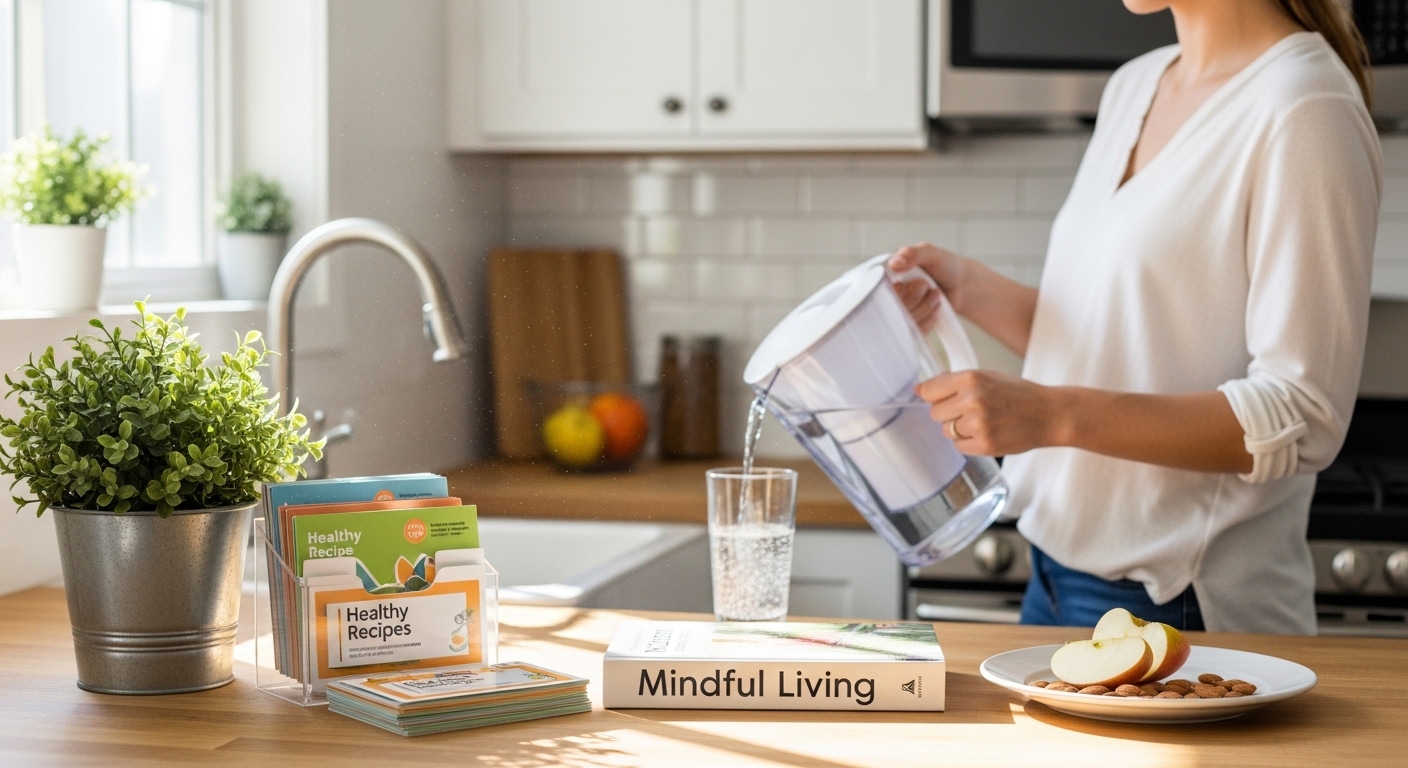
Healthy routines often begin with small choices that gradually improve emotional balance, physical energy, and personal confidence throughout everyday life. Simple lifestyle changes encourage stronger habits, better relationships, improved productivity, and calmer thinking. Consistent adjustments inside daily schedules create meaningful progress without causing stress, pressure, or unrealistic expectations for long-term wellbeing and happiness across different situations and responsibilities.
Morning Habits
Starting Days Earlier
Waking earlier provides quiet moments for planning responsibilities, preparing healthy meals, and organizing personal priorities before distractions appear. Early mornings often improve concentration, reduce rushed decision making, and create emotional calmness throughout busy schedules. Consistent wake times support healthier sleeping patterns and improved daytime energy levels consistently.
Drinking Water First
Beginning mornings with water helps rehydrate the body after sleep while supporting digestion, circulation, and clearer thinking throughout daily activities. Proper hydration can reduce fatigue, improve focus, and encourage healthier eating habits during busy hours. Maintaining consistent water intake also supports healthier skin and stronger physical performance naturally.
Stretching Before Activities
Gentle stretching each morning improves flexibility, increases circulation, and prepares muscles for regular movement during demanding schedules. Stretching exercises may reduce body stiffness, encourage better posture, and relieve physical tension caused by long sitting periods. Consistent stretching routines additionally support relaxation, mobility, and improved physical comfort throughout daily life.
Avoiding Immediate Phone Usage
Avoiding phones immediately after waking helps individuals focus on personal goals instead of digital distractions and unnecessary stress. Morning screen limitations encourage mental clarity, stronger concentration, and healthier emotional balance before beginning responsibilities. Reducing early social media exposure can additionally improve mood, productivity, and communication throughout the entire day.
Planning Important Tasks
Creating simple task plans every morning improves organization and reduces confusion during demanding schedules and responsibilities. Clear planning encourages better time management, stronger productivity, and fewer forgotten commitments throughout busy days. Organized daily priorities additionally create mental calmness while helping individuals complete responsibilities efficiently without feeling overwhelmed or unnecessarily pressured.
Healthy Eating Choices
Preparing Balanced Breakfasts
Nutritious breakfasts provide important energy that supports concentration, physical movement, and emotional stability throughout daily activities. Balanced meals containing fruits, proteins, and whole grains encourage healthier digestion while reducing unhealthy cravings later during the day. Consistently eating breakfast additionally supports stronger metabolism and improved long-term wellness for individuals.
Reducing Sugary Snacks
Limiting sugary snacks helps maintain stable energy levels while reducing unnecessary calorie intake during everyday routines. Healthier snack alternatives, including fruits or nuts, improve nutritional balance and support physical wellbeing. Reducing excessive sugar consumption may additionally lower fatigue, improve concentration, and encourage better eating habits over extended periods naturally.
Cooking Meals At Home
Preparing meals at home allows individuals to control ingredients, portion sizes, and nutritional quality more effectively than restaurant dining. Homemade meals often encourage healthier eating patterns while reducing unnecessary expenses and processed food intake. Regular cooking routines additionally strengthen family connections and create enjoyable experiences around shared mealtimes together.
Eating Smaller Portions
Choosing smaller food portions encourages healthier digestion and prevents uncomfortable overeating during regular meals and social gatherings. Controlled portion sizes support weight management while helping individuals recognize natural hunger signals more effectively. Consistently practicing mindful eating habits additionally improves energy levels, physical comfort, and long-term health without strict dieting methods.
Including More Vegetables
Adding vegetables into daily meals provides essential vitamins, minerals, and fiber that support stronger physical health and digestion. Vegetables may improve immune function while encouraging healthier eating routines throughout different age groups and lifestyles. Regular vegetable consumption additionally supports balanced nutrition, increased energy, and better overall wellbeing every single day.
Physical Activity Improvements
Taking Daily Walks
Daily walking supports heart health, strengthens muscles, and improves circulation while requiring minimal equipment or preparation. Walking outdoors may additionally reduce stress levels, encourage relaxation, and improve emotional wellbeing throughout demanding schedules. Consistent walking routines create healthier lifestyles while supporting physical fitness, mental clarity, and stronger long-term endurance naturally.
Using Stairs Regularly
Choosing stairs instead of elevators provides simple physical activity that strengthens muscles and improves cardiovascular fitness gradually over time. Regular stair usage supports healthier movement habits while encouraging additional calorie burning during busy routines. Consistently selecting stairs may additionally improve endurance, balance, and overall physical energy throughout everyday responsibilities.
Practicing Light Exercises
Light exercises performed regularly improve flexibility, circulation, and physical strength without creating excessive pressure on the body. Simple activities, including yoga or stretching routines, encourage relaxation while supporting healthier movement throughout demanding schedules. Consistent exercise habits additionally reduce stress, improve mood, and increase long-term physical wellbeing naturally over time.
Spending Time Outdoors
Outdoor activities provide fresh air, sunlight, and natural surroundings that support emotional wellbeing and healthier lifestyles. Spending time outside may improve concentration while reducing feelings of stress or mental exhaustion caused by busy routines. Regular outdoor experiences additionally encourage physical activity, stronger relaxation, and improved personal happiness throughout everyday life.
Maintaining Consistent Movement
Regular movement during the day prevents excessive sitting while supporting healthier muscles, circulation, and posture. Simple actions, including standing breaks or short walks, encourage physical comfort during work or household responsibilities. Maintaining consistent movement habits additionally improves energy levels, reduces body stiffness, and supports stronger long-term health for individuals everywhere.
Mental Wellness Practices
Practicing Daily Gratitude
Expressing gratitude daily encourages positive thinking while improving emotional balance and personal satisfaction throughout everyday situations. Gratitude practices may strengthen relationships, reduce negative thoughts, and create stronger appreciation for meaningful experiences. Consistently recognizing positive moments additionally supports mental wellness, healthier communication, and greater happiness across different stages of life naturally.
Limiting Negative Conversations
Reducing exposure to negative conversations helps individuals maintain emotional calmness and healthier mental perspectives throughout demanding situations. Positive communication encourages stronger relationships while reducing unnecessary stress and emotional exhaustion. Consistently choosing supportive discussions may additionally improve confidence, encourage optimism, and create healthier environments for personal growth and daily happiness.
Taking Short Breaks
Short breaks during work or household activities help reduce mental exhaustion while improving concentration and productivity throughout demanding schedules. Brief moments of relaxation encourage clearer thinking, emotional calmness, and healthier energy levels during busy responsibilities. Consistently taking breaks additionally supports stronger motivation and better long-term mental wellbeing for individuals.
Practicing Deep Breathing
Deep breathing exercises encourage relaxation by reducing physical tension and calming stressful thoughts during challenging situations. Controlled breathing techniques may improve concentration while supporting healthier emotional responses throughout busy schedules and responsibilities. Consistently practicing deep breathing additionally strengthens mental clarity, emotional balance, and overall wellbeing during everyday activities and interactions.
Spending Quiet Time Alone
Quiet personal time allows individuals to reflect on goals, emotions, and responsibilities without unnecessary distractions or pressure. Peaceful moments encourage relaxation while improving self awareness and emotional understanding throughout demanding schedules. Consistently spending time alone additionally supports stronger decision making, healthier mental balance, and greater personal confidence during everyday life.
Better Sleep Routines
Maintaining Fixed Sleep Times
Consistent sleeping schedules help regulate body rhythms while improving physical recovery and emotional balance throughout everyday life. Fixed bedtime routines encourage better sleep quality, increased daytime energy, and stronger concentration during responsibilities. Maintaining regular sleep patterns additionally supports healthier moods, improved productivity, and stronger long-term wellness for individuals consistently.
Reducing Caffeine At Night
Avoiding caffeine during evening hours supports healthier sleep quality while reducing nighttime restlessness and interruptions. Limiting coffee or energy drinks before bedtime encourages deeper relaxation and improved physical recovery throughout sleep cycles. Consistently reducing nighttime caffeine intake additionally supports stronger concentration, emotional balance, and healthier daytime energy levels naturally.
Creating Comfortable Bedrooms
Comfortable sleeping environments encourage deeper relaxation while improving overall sleep quality and nighttime recovery. Organized bedrooms with supportive mattresses, clean bedding, and reduced noise create calming spaces for restful sleep. Maintaining comfortable bedroom conditions additionally supports emotional wellbeing, healthier energy levels, and stronger concentration during daytime responsibilities and personal activities.
Avoiding Heavy Late Meals
Eating heavy meals late at night may disrupt digestion and create discomfort that affects sleep quality significantly. Choosing lighter evening meals encourages healthier digestion while supporting more restful sleep throughout nighttime hours. Consistently avoiding large late dinners additionally improves physical comfort, morning energy, and overall long-term wellness for individuals everywhere.
Limiting Bright Screen Exposure
Reducing bright screen usage before bedtime helps the body prepare naturally for restful sleep and relaxation. Excessive nighttime screen exposure may affect sleep patterns while increasing mental stimulation during late hours. Consistently limiting digital devices before sleeping additionally supports healthier rest, emotional balance, and improved daytime concentration for individuals.
Productive Daily Organization
Keeping Living Spaces Clean
Clean living spaces encourage relaxation while improving concentration and emotional comfort during everyday routines and responsibilities. Organized environments reduce unnecessary stress by making important items easier to locate quickly. Maintaining cleanliness consistently additionally supports healthier habits, better productivity, and stronger personal satisfaction throughout household activities and social interactions naturally.
Creating Weekly Schedules
Weekly schedules help individuals organize responsibilities effectively while reducing confusion and unnecessary stress throughout demanding routines. Structured planning encourages better time management and supports stronger productivity during personal or professional activities. Consistently following schedules additionally improves organization, emotional calmness, and confidence when handling multiple daily responsibilities and commitments successfully.
Setting Realistic Goals
Realistic goals encourage steady progress by creating achievable expectations instead of overwhelming personal pressure or disappointment. Clear objectives improve motivation while helping individuals focus effectively on important priorities and responsibilities. Consistently setting practical goals additionally supports emotional balance, personal growth, and stronger confidence throughout different areas of everyday life naturally.
Reducing Unnecessary Purchases
Avoiding unnecessary purchases encourages better financial habits while reducing clutter and emotional stress connected with overspending. Thoughtful spending decisions support stronger budgeting and help individuals prioritize important needs over temporary desires. Consistently practicing mindful purchasing additionally improves financial stability, personal satisfaction, and long-term lifestyle balance throughout everyday responsibilities and commitments.
Completing Tasks Gradually
Handling responsibilities gradually prevents overwhelming pressure while encouraging consistent progress throughout demanding schedules and responsibilities. Dividing larger tasks into smaller steps improves concentration and motivation during challenging activities. Consistently completing responsibilities gradually additionally supports healthier stress management, emotional balance, and stronger productivity across personal and professional situations every day.
Positive Social Connections
Spending Time With Family
Regular family interactions strengthen emotional support systems while encouraging meaningful communication and shared experiences throughout everyday life. Spending quality time together may improve relationships, reduce loneliness, and create stronger personal connections between relatives. Consistently maintaining family involvement additionally supports emotional wellbeing, happiness, and healthier social balance for individuals naturally.
Building Supportive Friendships
Supportive friendships encourage emotional comfort while providing encouragement during stressful situations and personal challenges. Positive social connections improve communication skills and create meaningful opportunities for shared experiences and personal growth. Consistently maintaining healthy friendships additionally supports stronger confidence, emotional balance, and greater happiness throughout different stages of everyday life naturally.
Helping Other People
Helping others through small acts of kindness encourages emotional satisfaction while strengthening community relationships and personal connections. Supportive behavior may improve empathy, communication, and emotional wellbeing throughout everyday interactions and responsibilities. Consistently assisting other people additionally creates positive environments, stronger social trust, and greater personal happiness over extended periods naturally.
Participating In Community Activities
Community activities encourage stronger social connections while providing opportunities for learning, teamwork, and meaningful interaction with others. Participating regularly may improve communication skills and create supportive relationships within neighborhoods or organizations. Consistently joining community events additionally supports emotional wellbeing, personal confidence, and stronger feelings of belonging throughout everyday life naturally.
Communicating With Respect
Respectful communication strengthens relationships by encouraging understanding, patience, and healthier interactions during conversations and disagreements. Kind communication habits reduce unnecessary conflict while supporting emotional balance and positive social environments. Consistently speaking respectfully additionally improves personal confidence, strengthens trust, and encourages healthier connections throughout professional, family, and community relationships naturally.
What are simple lifestyle changes?
Simple lifestyle changes are small daily habits that improve physical health, emotional wellbeing, productivity, and overall life balance gradually.
Why are healthy routines important?
Healthy routines create consistency, reduce stress, improve energy, and support stronger long-term emotional and physical wellbeing.
How can better sleep improve daily living?
Better sleep improves concentration, emotional balance, physical recovery, productivity, and overall energy throughout everyday responsibilities.
Why should people exercise regularly?
Regular exercise strengthens physical health, supports emotional wellness, increases energy, and improves long-term quality of life naturally.
Can positive relationships improve mental health?
Supportive relationships encourage emotional comfort, reduce stress, strengthen confidence, and improve overall happiness throughout everyday life.
Conclusion
Simple lifestyle changes create meaningful improvements when practiced consistently with patience, balance, and realistic expectations. Healthy routines involving nutrition, exercise, sleep, organization, and positive relationships support stronger emotional and physical wellbeing. Gradual progress often produces lasting results that improve happiness, productivity, confidence, and overall daily living experiences for people across different lifestyles and responsibilities.
